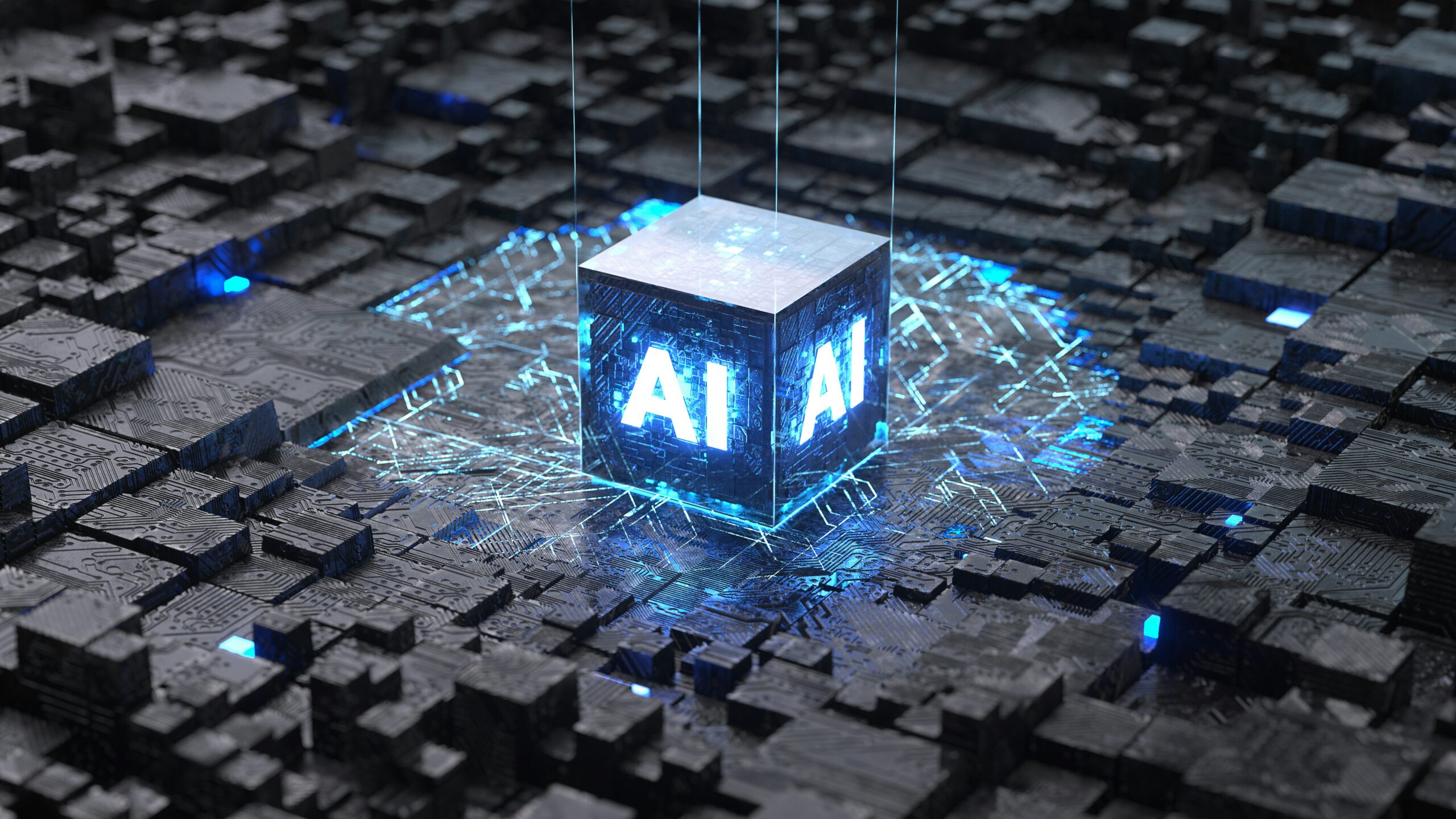
Artificial intelligence now drives one of the biggest business shifts in modern history. Companies across every industry face rapid change as automation, machine learning, and predictive tools reshape operations, customer service, and decision-making. Moreover, customers expect faster service, smarter products, and personalized experiences. Businesses that adapt early can improve efficiency and increase market share. However, organizations that resist change may lose relevance within a few years. AI-driven disruption affects startups and global corporations alike because technology moves faster than traditional planning cycles. Therefore, leaders must rethink workflows, talent strategies, and customer engagement to remain competitive in the next digital revolution.
The Growing Impact of AI on Business Operations
AI-driven disruption has transformed how businesses manage daily operations. Many companies now use AI tools to automate repetitive work, analyze customer behavior, and improve supply chain accuracy. As a result, teams can focus on creative problem-solving and strategic planning rather than on manual tasks. Retailers use AI to forecast inventory needs, while healthcare providers apply predictive systems to improve patient outcomes. Meanwhile, financial institutions rely on AI to detect fraud and strengthen risk management. These changes reduce costs and create faster business processes.
Business leaders also use AI to make decisions with better data. Instead of relying on guesswork, managers can review real-time insights generated by intelligent systems. Consequently, companies respond faster to market trends and customer expectations. AI platforms also help organizations track employee productivity, monitor operational risks, and improve forecasting accuracy. Although many firms still experiment with AI tools, the technology already shapes long-term business strategy. Therefore, companies that build strong AI foundations today can gain a major advantage tomorrow.
Why Businesses Must Adapt Quickly
The pace of technological change continues to increase across every industry. Because of this shift, businesses cannot rely on old systems or outdated methods. Customers expect seamless digital experiences, and competitors constantly introduce new AI-powered solutions. Furthermore, global markets reward companies that innovate quickly and punish those that move slowly. Many organizations once dominated their industries but later lost ground by ignoring digital transformation. Therefore, business adaptation has become a requirement instead of a choice.
Companies that delay AI adoption often face higher operational costs and slower growth. Meanwhile, agile competitors improve customer engagement through personalized recommendations, automated support, and faster services. AI-driven disruption also changes workforce expectations, as employees want modern tools that simplify their work. As a result, organizations that embrace innovation often attract stronger talent and improve employee satisfaction. Forward-thinking businesses now treat AI as a core growth strategy rather than a temporary technology trend.
Building an AI-Ready Workforce
Successful companies understand that people remain essential during digital transformation. Although AI systems can automate many tasks, employees still drive creativity, leadership, and relationship building. Therefore, businesses must invest in training programs that help workers understand AI tools and digital workflows. Employees who learn data analysis, automation platforms, and AI-assisted communication can adapt more easily to changing job demands. Moreover, organizations that encourage continuous learning often build stronger and more flexible teams.
Business leaders should also create a culture that supports innovation and experimentation. Employees need confidence to test new ideas and improve existing systems without fear of failure. Meanwhile, managers should explain how AI enhances productivity instead of replacing every role. Open communication reduces resistance and increases trust across teams. As companies introduce new technologies, they should combine technical training with leadership development and creative thinking. Consequently, organizations can build a workforce that thrives during AI-driven disruption.
The Role of Data in the Digital Revolution
Data now powers nearly every successful AI strategy. Businesses collect information from customer interactions, sales trends, website activity, and operational systems. AI platforms then analyze this information to identify patterns and predict future behavior. As a result, companies can make smarter decisions and improve customer experiences. However, poor data quality often creates inaccurate results and weak strategies. Therefore, organizations must build strong data management systems before scaling AI initiatives.
Cybersecurity and data privacy also play major roles in digital transformation. Customers expect businesses to protect personal information and use data responsibly. Consequently, companies must follow security standards and maintain transparent policies. Organizations that ignore privacy concerns may face legal issues and damage to their brand reputation. Meanwhile, trusted companies often gain stronger customer loyalty and long-term growth. Businesses that combine secure data practices with advanced AI capabilities can create sustainable competitive advantages in the evolving digital economy.
Customer Experience Is Becoming More Intelligent
AI-driven disruption has changed how companies connect with customers. Businesses now use chatbots, recommendation engines, and predictive analytics to deliver personalized experiences. For example, streaming platforms suggest content based on viewing habits, while online retailers recommend products that match customer interests. These tools improve engagement and increase sales by enabling customers to receive faster, more relevant interactions. Furthermore, AI systems help businesses respond to customer questions at any time, improving satisfaction and retention.
Customers also expect brands to understand their needs across multiple platforms. Therefore, companies must create connected experiences through websites, mobile apps, social media, and customer support channels. AI helps businesses analyze customer behavior and identify opportunities for improvement. Meanwhile, marketing teams can create targeted campaigns that reach the right audience at the right time. Businesses that focus on intelligent customer experiences often strengthen brand loyalty and outperform slower competitors in crowded markets.