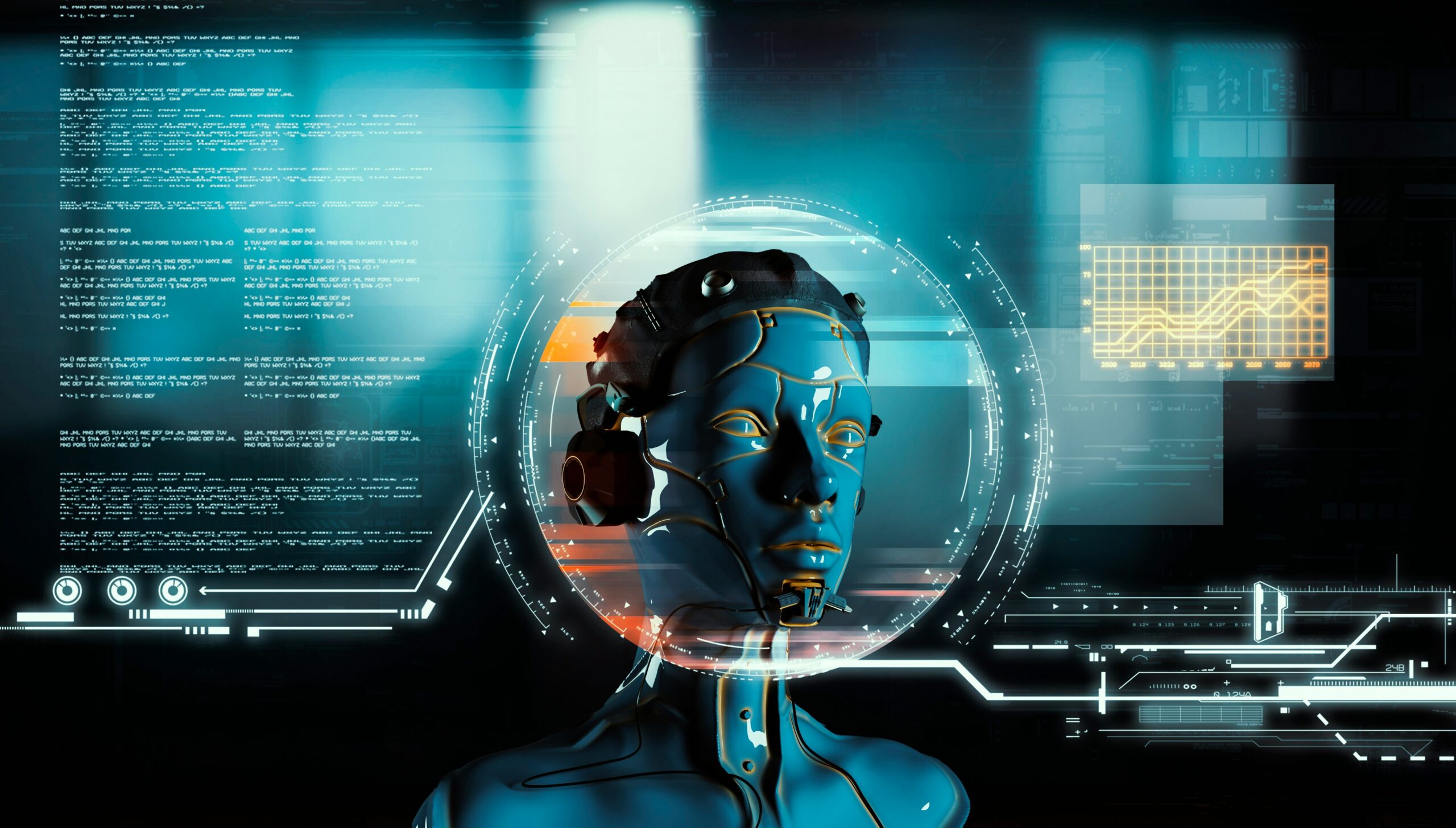
Artificial intelligence (AI) is no longer a futuristic concept; instead, it has become a practical tool that businesses use every day to improve efficiency and productivity. As companies face increasing competition, they must find innovative ways to streamline operations and deliver better results. Therefore, integrating AI into modern business processes is quickly becoming essential rather than optional.
Moreover, AI helps organizations analyze data, automate tasks, and enhance decision-making in ways that were previously impossible. As a result, businesses can operate more smoothly while reducing costs and human error. In the following sections, we will explore how AI can significantly improve business operations across various areas.
Enhancing Operational Efficiency
First of all, AI can automate repetitive, time-consuming tasks, allowing employees to focus on more strategic work. For instance, processes such as data entry, scheduling, and inventory tracking can be handled by AI systems with minimal human intervention. Consequently, businesses can reduce operational delays and improve overall productivity.
In addition, AI-powered tools can optimize workflows by identifying inefficiencies and suggesting improvements. For example, machine learning algorithms can analyze production patterns and recommend adjustments to reduce waste. As a result, companies can achieve higher efficiency levels while maintaining consistent output quality.
Improving Customer Service
Equally important, AI has revolutionized customer service by enabling faster and more personalized interactions. Chatbots and virtual assistants, for example, can handle customer inquiries 24/7 without requiring human agents. Therefore, businesses can provide instant responses, which significantly improves customer satisfaction.
Furthermore, AI systems can analyze customer behavior and preferences to deliver tailored experiences. For instance, recommendation engines suggest products based on past purchases or browsing history. As a result, customers feel more valued, and businesses can increase engagement and sales simultaneously.
Data-Driven Decision Making
Another key benefit of AI is its ability to process large volumes of data quickly and accurately. Traditionally, analyzing complex datasets required significant time and effort; however, AI can complete these tasks in seconds. Consequently, businesses gain access to valuable insights that support informed decision-making.
Moreover, AI-powered predictive analytics allows companies to anticipate trends and plan accordingly. For example, businesses can forecast demand, identify potential risks, and adjust strategies in advance. Therefore, organizations can make proactive decisions rather than reacting to problems after they occur.
Strengthening Marketing Strategies
In the same way, AI enhances marketing efforts by enabling more targeted and effective campaigns. By analyzing customer data, AI tools can identify the right audience and determine the best time to reach them. As a result, businesses can improve conversion rates and maximize their return on investment.
Additionally, AI can automate content creation, email marketing, and social media management. For instance, AI-driven platforms can generate personalized emails or suggest optimized headlines. Consequently, marketers can save time while maintaining high-quality communication with their audience.
Optimizing Supply Chain Management
Meanwhile, AI plays a crucial role in improving supply chain operations by increasing accuracy and transparency. It can monitor inventory levels in real time and predict demand fluctuations. Therefore, businesses can avoid overstocking or running out of essential products.
At the same time, AI can optimize logistics by identifying the most efficient delivery routes and reducing transportation costs. For example, route optimization algorithms can minimize delays and fuel consumption. As a result, companies can deliver products faster while maintaining cost efficiency.
Enhancing Financial Management
Likewise, AI can significantly improve financial operations by automating accounting tasks and reducing errors. Processes such as invoice processing, expense tracking, and financial reporting can be handled more efficiently with AI tools. Consequently, businesses can ensure accuracy and save valuable time.
Furthermore, AI can detect fraudulent activities by analyzing transaction patterns and identifying anomalies. For instance, unusual spending behavior can trigger alerts for further investigation. Therefore, companies can strengthen their financial security and effectively minimize risks.
Supporting Human Resources
In addition to operational benefits, AI also transforms human resource management by streamlining recruitment and employee management. AI-powered systems can screen resumes, shortlist candidates, and even conduct initial interviews. As a result, HR teams can focus on selecting the best talent rather than handling administrative tasks.
Moreover, AI can enhance employee engagement by analyzing performance data and providing personalized feedback. For example, it can recommend training programs based on individual needs. Consequently, businesses can foster a more productive and motivated workforce.
Driving Innovation and Growth
Finally, AI encourages innovation by enabling businesses to explore new ideas and opportunities. With access to advanced analytics and automation, companies can experiment with new products and services more efficiently. Therefore, AI becomes a catalyst for continuous improvement and business growth.
In the long run, businesses that adopt AI are better positioned to stay competitive in a rapidly evolving market. As technology continues to advance, organizations that embrace AI will have a significant advantage. Ultimately, integrating AI into business operations is not just a trend but a strategic move toward long-term success.