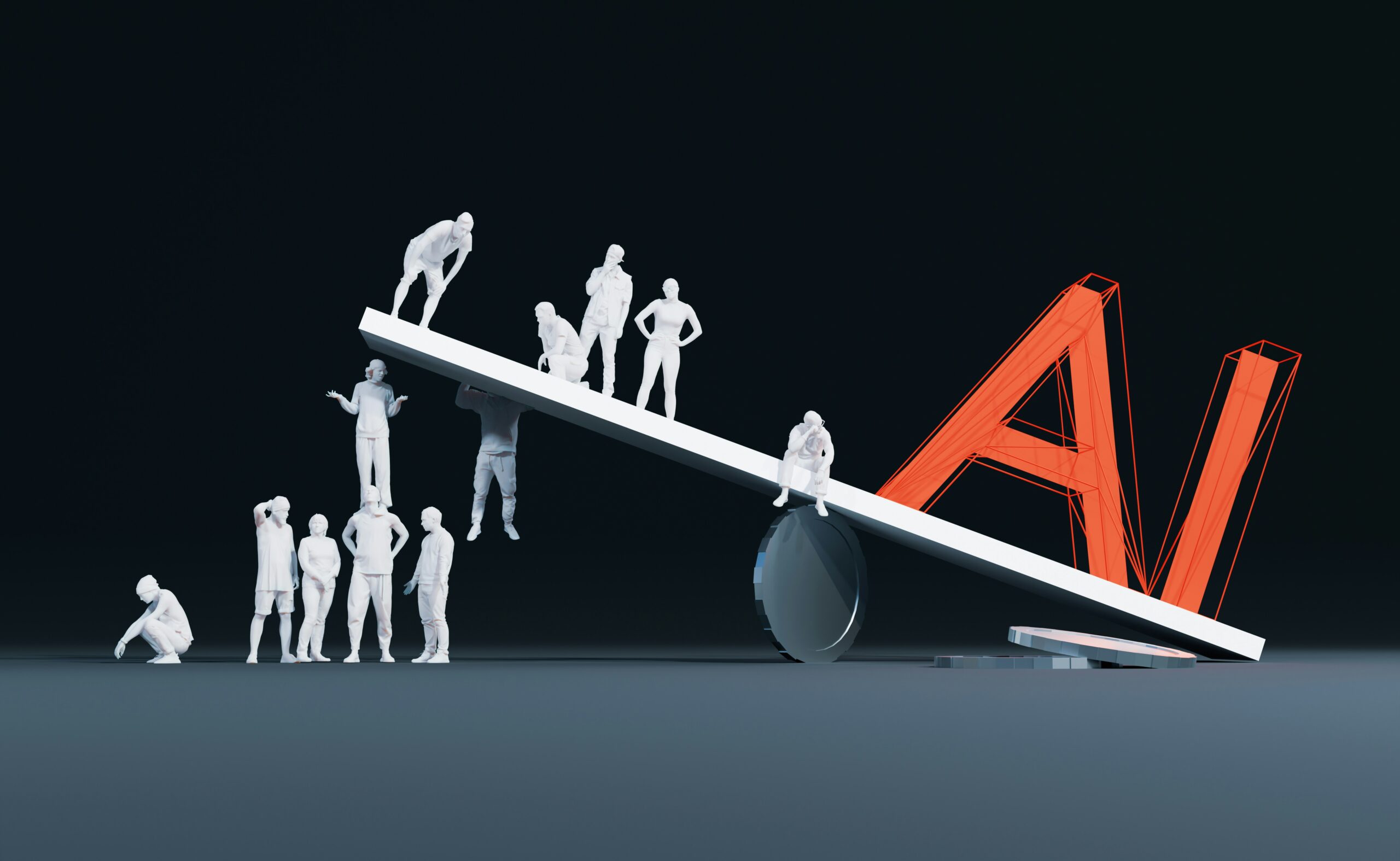
Artificial intelligence (AI) has emerged as a powerful tool for transforming business operations. From improving efficiency to optimizing decision-making, AI offers solutions that allow organizations to operate more strategically and respond to challenges in real time. By integrating AI thoughtfully, companies can reduce costs, enhance productivity, and create a more agile business environment that supports sustainable growth.
The impact of AI extends beyond automation. It enables organizations to analyze data, forecast trends, and uncover insights that were previously difficult or impossible to identify. This integration empowers professionals to make informed decisions while focusing on high-value activities that drive growth. Businesses that adopt AI strategically gain a competitive advantage by improving operational workflows and positioning themselves for long-term success.
Identifying Key Areas for AI Implementation
The first step in improving business operations with AI is identifying the areas where it can have the most impact. Professionals should evaluate workflows, routine tasks, and decision-making processes to identify opportunities for automation or intelligent analysis that create value. Understanding these pain points helps companies focus on the most relevant AI applications rather than investing in tools that may not deliver measurable benefits.
In addition to operational efficiency, organizations should consider strategic areas where AI can drive growth. Tasks such as market analysis, customer engagement, and inventory management benefit significantly from AI-driven insights. By prioritizing these areas, businesses can align technology adoption with organizational objectives, ensuring that AI supports both immediate needs and long-term goals.
Integrating AI into Daily Workflows
Once key areas are identified, the next step is to integrate AI into daily operations. This involves selecting tools that complement existing systems and enhance productivity without causing disruption. Professionals should ensure that AI solutions are compatible with current software, data sources, and processes to create a seamless workflow.
Moreover, successful integration requires staff training and clear communication about how AI will be used. Employees should understand the capabilities and limitations of AI tools to interact effectively with the technology. By thoughtfully embedding AI into workflows, businesses can improve efficiency while maintaining employee engagement and confidence in the new systems.
Automating Routine Tasks
One of the most immediate benefits of AI is its ability to automate repetitive and time-consuming tasks. Activities such as data entry, invoice processing, and report generation can be handled more efficiently by AI systems. This automation reduces the likelihood of errors and allows employees to focus on higher-value tasks that require critical thinking and creativity.
In addition to saving time, automation improves consistency and operational reliability. AI can perform tasks at scale without fatigue, ensuring that processes are completed accurately and on schedule. By incorporating AI into routine workflows, businesses enhance overall productivity and create opportunities for employees to contribute in more strategic ways.
Enhancing Data-Driven Decision-Making
AI also strengthens decision-making by providing advanced data analysis and actionable insights. Machine learning algorithms can process large volumes of information, identify trends, and predict outcomes that may not be visible through traditional methods. This data-driven approach allows businesses to make informed choices, anticipate challenges, and capitalize on emerging opportunities.
Furthermore, AI supports real-time decision-making by continuously monitoring performance indicators and flagging anomalies. Managers can use these insights to proactively adjust strategies, ensuring that operations remain aligned with organizational goals. By leveraging AI for decision support, businesses gain a clearer understanding of their operations and can respond more effectively to dynamic market conditions.
Optimizing Customer Engagement
AI can transform customer interactions by personalizing communication and anticipating needs. Intelligent systems analyze behavior, preferences, and feedback to deliver relevant content, offers, and support. This enhances customer satisfaction, strengthens loyalty, and increases overall engagement. By better understanding and responding to customer needs, businesses can improve service quality and operational efficiency.
Additionally, AI enables faster and more accurate handling of customer inquiries through chatbots and virtual assistants. These tools provide immediate responses, freeing human staff to address complex issues that require judgment and empathy. By combining AI-driven interactions with human oversight, organizations can create a seamless customer experience that enhances brand reputation and operational effectiveness.
Predictive Analytics for Operations Management
Predictive analytics powered by AI allows businesses to anticipate trends, forecast demand, and optimize resource allocation. For example, supply chains benefit from AI-driven forecasts that predict inventory needs, reduce stockouts, and minimize waste. Similarly, workforce planning can be optimized by analyzing patterns in employee availability and project requirements.
Moreover, predictive analytics supports risk management by identifying potential disruptions before they impact operations. Businesses can prepare contingency plans, adjust processes, and make proactive decisions that safeguard productivity. By applying AI-driven predictions to operational management, companies increase efficiency, reduce costs, and maintain resilience in a competitive environment.
Continuous Improvement and Adaptation
Implementing AI is not a one-time effort; it requires continuous monitoring and refinement. Businesses should track performance metrics, evaluate outcomes, and adjust AI tools as processes evolve. This iterative approach ensures that AI continues to deliver value and remains aligned with organizational objectives over time.
Additionally, companies should stay informed about new developments in AI and emerging applications. The technology landscape evolves rapidly, and early adoption of relevant innovations can provide a significant advantage. By fostering a culture of continuous improvement and adaptation, businesses can maximize the benefits of AI while maintaining flexibility to meet future operational challenges.
AI offers a powerful opportunity to improve business operations by automating routine tasks, enhancing decision-making, and optimizing workflows. By identifying key areas for implementation, integrating AI thoughtfully, and leveraging predictive analytics, organizations can improve efficiency, reduce costs, and deliver a superior customer experience. Continuous monitoring and adaptation ensure that AI remains a strategic asset, helping companies stay competitive in an increasingly dynamic business environment. Professionals who embrace AI effectively will position their organizations for sustainable growth, innovation, and operational excellence.